The Ultimate Arugam Bay Surf Guide: From Beginner Foamies to Pro Barrels

Amaya Fernando
Travel Writer
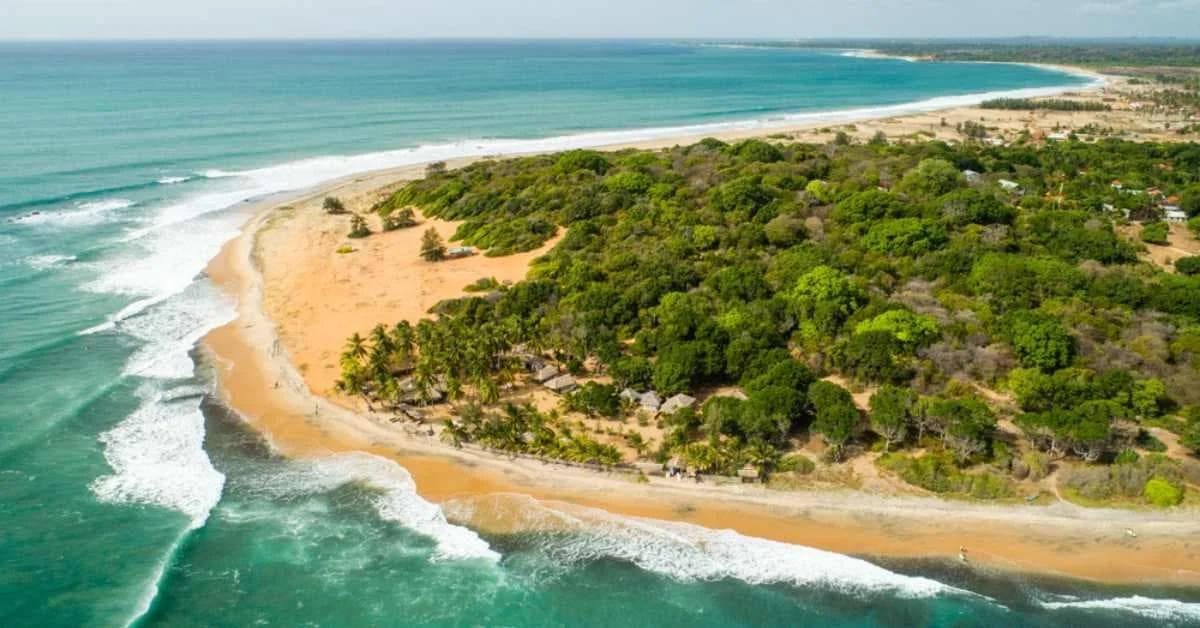
Welcome to Arugam Bay, the undisputed surf capital of Sri Lanka.
If you’ve been dreaming of warm tropical water, peeling right-hand point breaks, and a laid-back village vibe where shoes are entirely optional, you have found your paradise. A-Bay, as the locals call it, isn't just a beach; it's a pilgrimage site for wave riders from every corner of the globe.
But walking into a new surf town can be intimidating. Where are the waves? Is that break too shallow for me? Where do I rent a board without getting ripped off?
Whether you have never touched a surfboard in your life or you are chasing overhead barrels, this guide is your roadmap to navigating the legendary breaks of Sri Lanka's East Coast.
Why Arugam Bay is Sri Lanka’s Surf Capital
Unlike the south coast of Sri Lanka, which offers beach breaks that can get messy with onshore winds, Arugam Bay is famous for its point breaks.
A point break means the wave wraps around a headland (usually rocks or sand), creating a perfectly shaped, long, and consistent ride that breaks the same way almost every time. This consistency is what makes A Bay world class.
Add to that water temperatures that hover around a balmy 28°C (leave your wetsuit at home; boardshorts and bikinis are all you need) and a surrounding jungle filled with wild elephants and peacocks, and you have a surf trip experience unlike anywhere else on earth.
When to Go: Timing Your Trip for the Best Swells
Timing is everything in surfing. Sri Lanka has two distinct monsoon seasons affecting opposite sides of the island.
For Arugam Bay on the East Coast, the prime surfing season runs from May to September.
During these months, dry weather prevails, the wind blows offshore (grooming the waves into clean lines), and consistent swells pump in from the Indian Ocean. July and August are peak months, offering the biggest waves and the buzziest atmosphere in town.
If you visit between November and March, the main breaks will likely be flat or blown out by onshore rain, and the action shifts to the South Coast (like Weligama or Mirissa).
For the Rookies: Where to Catch Your First Wave
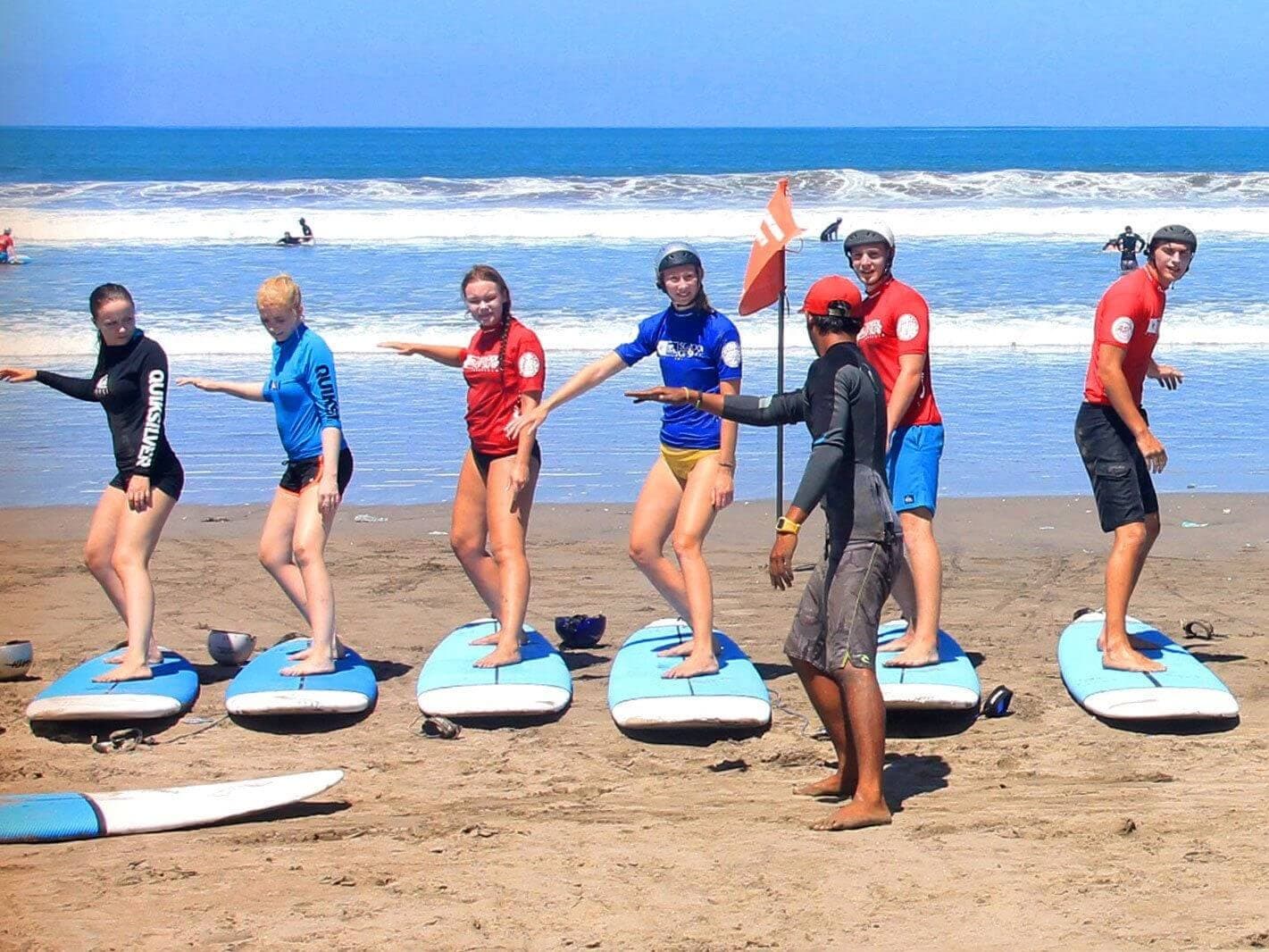
If you are brand new to surfing, Arugam Bay is a fantastic place to learn provided you go to the right spot. You want sand bottoms and gentle whitewater, not sharp coral reefs.
Baby Point
Located just inside the famous Main Point, Baby Point is the ultimate nursery for beginner surfers. It is protected from the big swells by the headland, meaning the waves here are small, gentle, and roll in slowly over a soft sandy bottom. It’s the perfect place to master the "pop-up" without fear of getting tumbled.
Whiskey Point
A short tuk-tuk ride north of town, Whiskey Point offers a fun, mellow wave right in front of a large rock formation. It's incredibly popular with beginners and surf schools because the wave is forgiving and provides a long ride even when it's small. It can get crowded with lessons, but the vibe is always fun and party-centric.
Leveling Up: Intermediate Breaks for Progressing Surfers
You’ve mastered the whitewater and you're ready to paddle "out back" to catch unbroken, green waves. You need spots with a bit more power than Baby Point, but less intensity than the main reef.
Peanut Farm
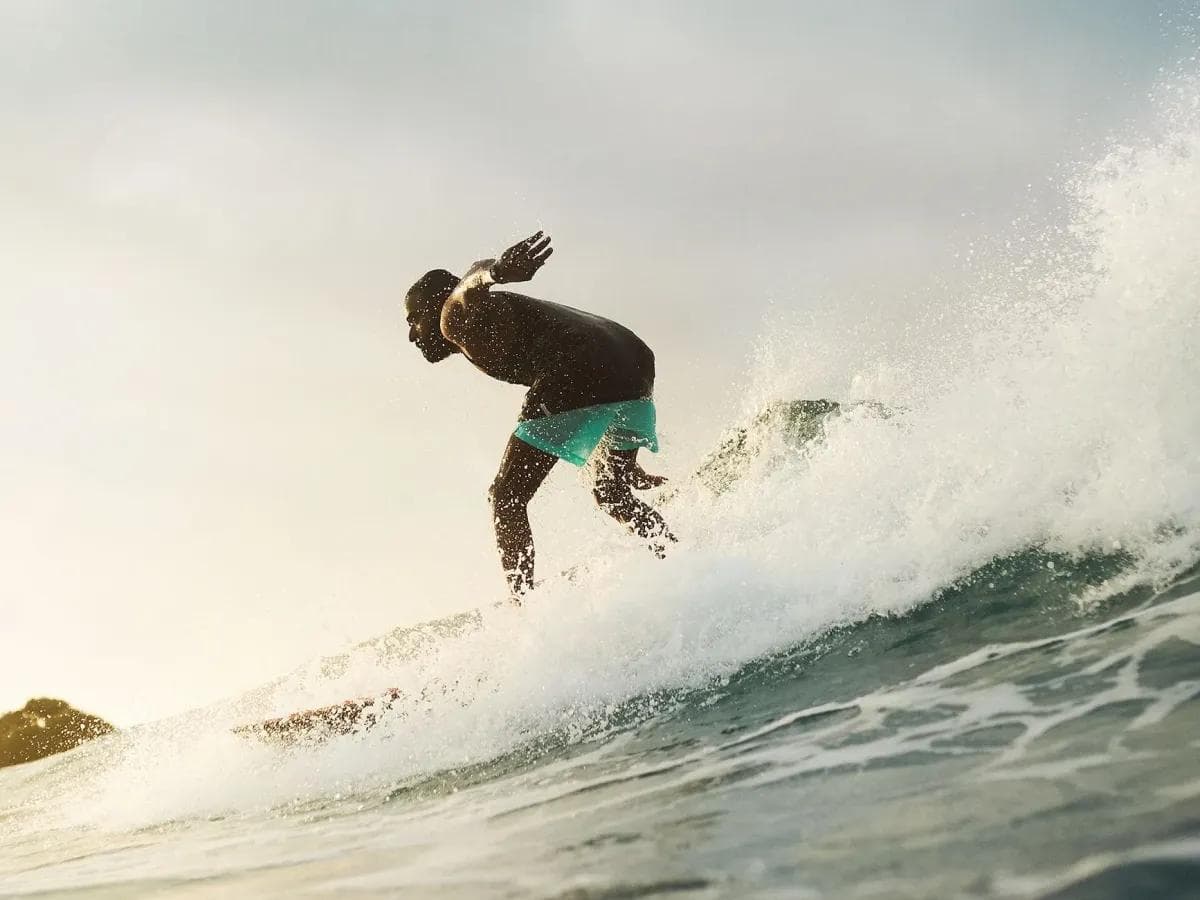
About a 15-20 minute tuk-tuk ride south, Peanut Farm is an absolute favorite for intermediates. It’s a stunning location with a reggae-bar vibe on the beach. The wave features two sections; the inside section is sandy and mellow, while the outside peak offers faster, steeper rides that mix sand and some submerged rocks. It's playful, super fun, and a great place to practice your turns.
Elephant Rock
Famous for its incredible sunset views, Elephant Rock also hosts a great right-hand point break. To get to the beach, you have to wade through a small lagoon (always check with locals about crocodiles first!). The wave breaks off the rock and offers a smooth, deeply satisfying ride that is perfect for longboarders and improving shortboarders.
The Pro Zone: Advanced Reefs and Points
If you know what you’re doing, you know why you came here. These spots are fast, shallow, and competitive.
Main Point (The Point)
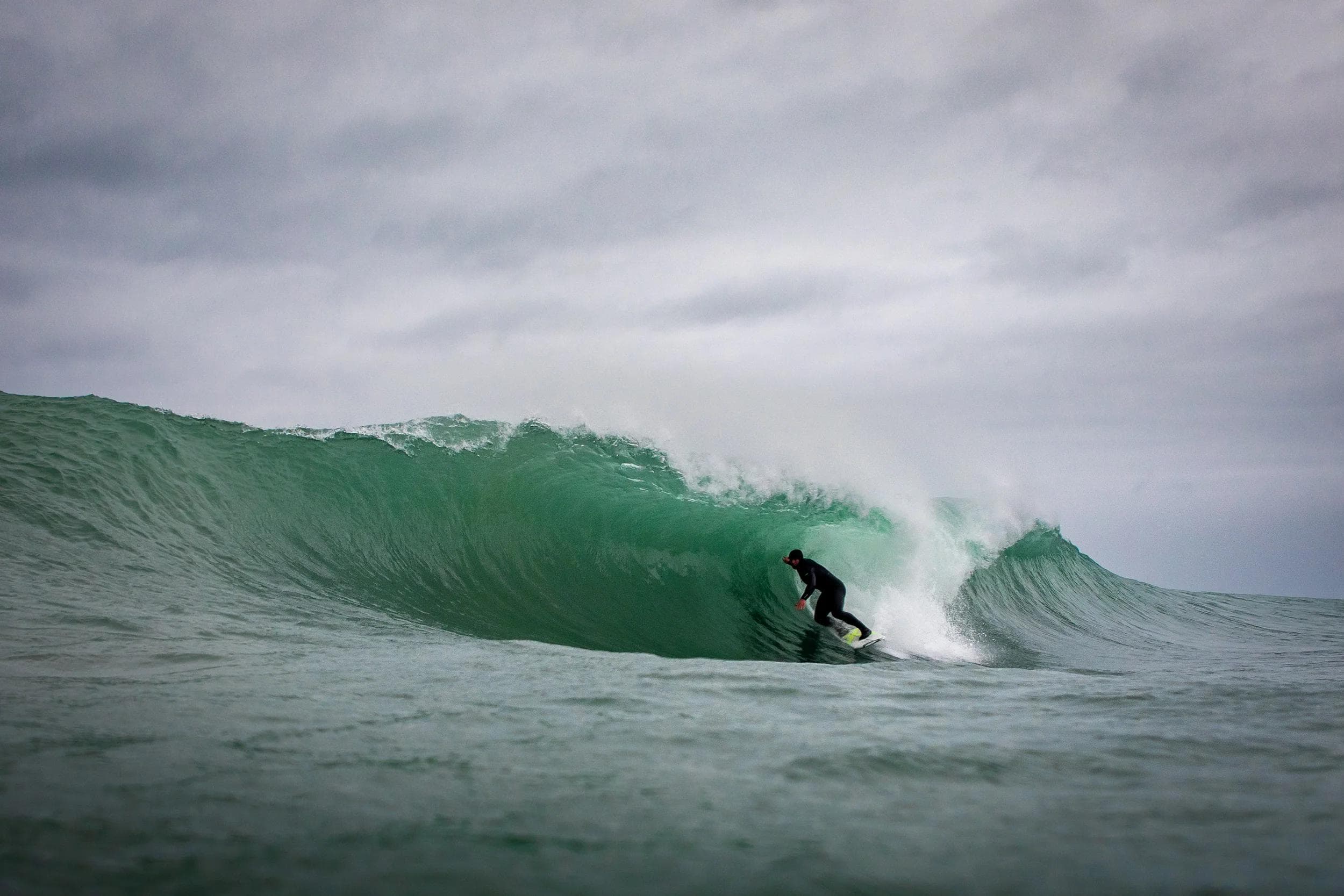
This is the crown jewel of Arugam Bay, visible right from the center of town. Main Point is a high-performance, long right-hander that breaks over a shallow coral reef. When it’s working (4-8 feet), it offers incredible speed, power, and barrel sections.
Warning: This is not a place to "try your luck." The reef is sharp, and the lineup is heavily localized. Respect the local surfers, wait your turn, and ensure your skill level matches the wave before paddling out.
Okanda
Located about 45 minutes to an hour south, near the entrance to Kumana National Park, Okanda is a heavier, faster, and often hollower wave breaking off a large rock outcrop. It picks up infinitely more swell than the bay. It’s for experienced surfers looking for barrels and powerful walls without the crowds of Main Point.
Surf Schools, Rentals, and Costs
You don’t need to haul your board across the world to enjoy A-Bay. The main street is lined with surf shops.
Board Rentals: You can rent everything from a 9-foot foam beginner board to a high-performance fiberglass shortboard. Expect to pay roughly 1,000 – 1,500 LKR ($3 - $5 USD) per day for a rental, depending on the quality of the board. Always check the board for dings before you leave the shop.
Lessons: If you are a beginner, invest in a lesson. A 90 minute lesson usually costs between 5,000 – 7,000 LKR ($15 - $22 USD) and includes the board, rash guard, and an instructor pushing you into waves. Look for ISA (International Surfing Association) certified instructors for the best safety standards.
Tuk-Tuk Surf Safaris: To get to spots like Peanut Farm or Whiskey Point, you’ll need a ride. Many tuk-tuk drivers have racks on their roofs and specialize in surf transfers. Negotiate a return price before you go; a return trip to Peanut Farm usually costs around 3,000 LKR, and the driver will wait for you while you surf.
Wrap Up: Embracing the A-Bay Vibe
Surfing in Arugam Bay is about more than just the waves. It’s about the early morning sun rising over the Indian Ocean, the post-surf coconut water on the beach, and the shared stoke in the water.
Remember the golden rule of surf travel: give respect to get respect. Smile, be patient in the lineup, support local businesses, and keep the beaches clean.
Enjoyed this story? Share it
About the Author
Amaya Fernando
A passionate east coast explorer and travel storyteller dedicated to uncovering the legendary surf breaks, wild lagoons, ancient temples, and the untamed beauty of Arugam Bay — the jewel of Sri Lanka's east coast.